Posts

Picard to publishers: get cozy with readers, users
Image
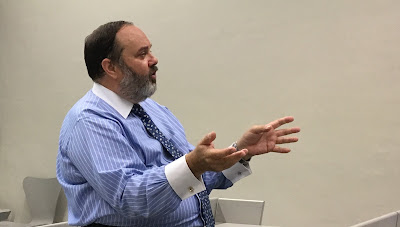
Robert Picard speaking to class at University of Navarra. Robert G. Picard is one of the founding fathers of the academic discipline known as media economics. The field has attracted more attention lately as news outlets, ravaged by digital competitors, have gutted their reporting staffs and slashed public-service coverage. Policy makers, media executives, investors, and journalists themselves look to experts like Picard for answers about how to deal with the industry's financial crisis and the diminishing supply of news. Picard admits that he is unsure of exactly what the future holds for the industry. What he does know is that the people who are running media organizations--TV, radio, newspapers, magazines, and even digital outlets--know far too little about their readers, viewers, listeners, and users. Publishers need to invite these consumers into the processes of creating and distributing content, he said. They need to think about how to create value that will satisfy the need...
Publishers look beyond Facebook, Google for revenues

Image
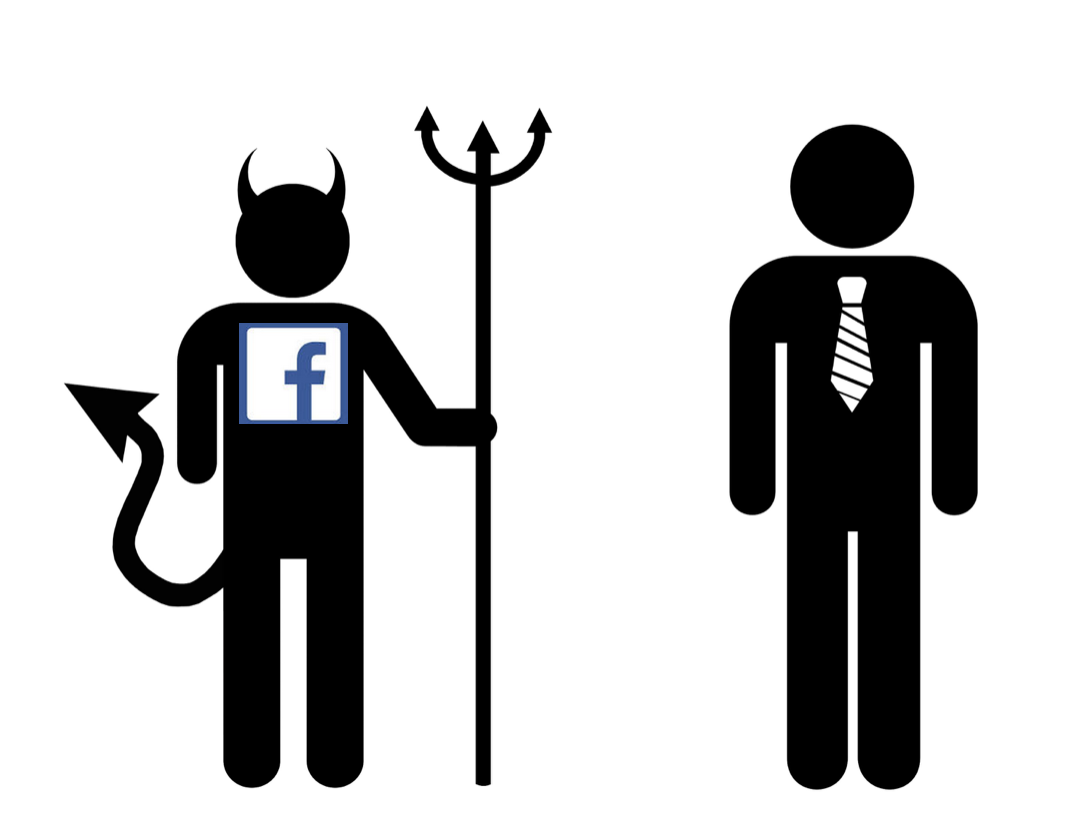
A deal with the devil. A new study by the World Association of Newspapers and News Publishers (WAN-IFRA) confirms what I have suspected for a long time: when publishers rely on Facebook for distribution, they are making a deal with the devil. "Reality Check: Making Money with Facebook" was based on a survey of an "expert group" of 150 publishers. On average, Facebook was contributing only 7% of their revenues in spite of the fact that much of the publishers' content was being consumed on that platform. And Facebook is stingy when it comes to sharing revenue with publishers, compared with Google, Spotify, Twitter, and others. It "seems to share proportionally less revenue with content creators than other platforms do." Loss of branding power The WAN-IFRA findings are also troubling because studies by Pew Research (see paragraph 4 of the study) and the Reuters Institute for the Study of Journalism (see p. 16 of the study) have shown that users think F...

'We interrupt this class for news of your ex-girlfriend'

Image
As a professor, I often wonder what effect my class presentations are having on the minds of my students. Honestly, is it really possible for any human being to pay attention completely to a class for 45 minutes? Or does the mind wander? While I am explaining the theory of market externalities , every media company in the world is fighting for the attention of those students. These companies are desperate to attract eyeballs for their content and their advertisers' messages. They have developed ever more powerful tools to distract people from what they are doing and look at their smartphones. They use pings, vibrations, badges, flashing lights , lock-screen messages, and who knows what else. What human being could pay attention to me when they receive a notification on their smartphone that their ex has commented on their new profile photo? Or that there is breaking news about the latest silly statements by a president? It's no contest. Versi�n en espa�ol The Notification Exp...

MediaTek vs Qualcomm: Which smartphone processor should you choose?

Image
A smartphone processor, today, is way more powerful than what we think. A System on Chip (SoC) which can be as small as a coin does wonder when combined with adequate software. When we talk about smartphone processors, two names which have largely dominated are Mediatek and Qualcomm. While Qualcomm is more famous in the United States and Europe, MediaTek has slowly captured a relatively larger market share in South Asian markets. However, what exactly are the factors which make processors from these two manufacturers different and unique in their own sense? Let�s find out today. Origin First things first. Qualcomm which is based out of United States has been in the business for way longer than Mediatek. For instance, the American company was founded in 1985 where it initially produced a  satellite locating and messaging service called OmniTRACS. The first Snapdragon processor was launched in 2005 when smartphones were yet to make any major impact. On the other hand, MediaTek w...

Women are making their mark in digital news startups

Image
Women are taking a leadership role in the development of digital journalism in Latin America, according to a new study of 100 startups. The study, Inflection Point , by SembraMedia in partnership with Omidyar Network, offers many clues to achieving the elusive goal of sustainability for new digital media. Click to enlarge. One clue is that women have the skills and experience to lead the way: 62% of the 100 organizations in the study had at least one woman founder, and women represented 38% of the total founders of all the media (p. 41 in the PDF version ). Extensive interviews with the founders -- 25 each from Argentina, Brazil, Colombia, and Mexico -- produced data that clarified the elements of successful business models and showed the best places to invest resources and training. "This finding suggests that women are taking advantage of the low barriers to entry in digital media startups to go around the glass ceilings of traditional media and build their own publishing compa...

100 digital news startups in Latin America show paths to achieving sustainability

Image
A new study of 100 digital news startups in Latin America by SembraMedia in partnership with Omidyar Network -- Inflection Point -- offers many clues to achieving the elusive goal of sustainability. Extensive interviews with the founders -- 25 each from Argentina, Brazil, Colombia, and Mexico -- produced data that clarified the elements of successful business models and showed the best places to invest resources and training. Janine Warner , co-founder of SembraMedia and an ICFJ Knight Fellow, directed the study, which was managed by her co-founder, Mijal Iastebner. (Disclosure: I participated in the study as an editor.) Among the insights: You don't need a lot of money to get started. 71% of the media in this study had startup capital of less than $10,000, but a tenth of those now generate at least $500,000 in revenues (p. 8). Those that focus on business development do best. Those with at least one sales person reported median annual revenues of $117,000; those with no sales ...

Top reason globally for paying for news? Mobile access

Image
Richard Fletcher of the Reuters Institute has produced an in-depth analysis of the top reasons people around the world gave for paying for news online. The Digital News Report 2017 included interviews of more than 70,000 adults in 36 countries. Fletcher observed that the most common reasons people gave for paying were they wanted access on their mobile devices (30%), they like to consume news from a range of sources (29%), or they were offered a good deal or package (23%). My take on Fletcher's data: The message to digital news publishers should be clear: they need to make sure their content displays rapidly and adapts well to the small screen--responsive design. Also, they should be testing various prices and packages for online content to see which ones produce the best returns. Read more �