Posts

Showing posts with the label advertising

The audiences are in charge: are publishers listening?

Image
Recently I was invited to give a lecture at the University of Malaga --"The audiences are in charge: Are publishers listening?" The audience had students in their doctoral, master's and bachelor's programs, as well as a number of faculty. Below is a summary of the presentation. 1. The marriage of convenience between advertising and journalism is over. For proof, look no further than the graphic below, which shows that newspapers in Spain have lost more than 500 million euros in ad revenue since 2009, and that includes the revenue they get from digital. (The U.S. is very similar.) In the future, news media will need to develop a deep relationship with their users. The important thing will be not the quantity of eyeballs reached, as measured by page views and unique users, but the quality of the relationship with the users. Versi�n en espa�ol Read more �

Journalists and sales: don't sell your soul

Image
Over the past several years, I have written a number of blog posts about how journalists can get involved in sales and marketing without violating their ethical standards or damaging the credibility of their publication. Here are a few of them. 1. Journalists selling ads: think of it as a fair exchange When I was going through the transition from editor of a business publication to the role of publisher, I dreaded sales calls with clients. "It meant I had to ask clients for money, which was a new and uncomfortable experience. The hilarious irony of this is that, as a reporter and editor, it was my job to ask people much tougher, more-intrusive questions, and I did it with no problem -- grieving parents about the death of their child, a political candidate about his sexual escapades, a business executive about her salary. How tough could it be for a former reporter to ask an advertiser for money? Read more �

8 practices of successful entrepreneurial journalists

Image
Editor's note: This post was updated 3 June with an eighth best practice. For the last seven years I have been interviewing and profiling successful entrepreneurial journalists in various countries of various socieconomic classes. I've talked to publishers and editors with staffs of as many as a hundred as well as some one-man/one-woman bands. The ones that survive and thrive after several years share some common practices: 1. They develop multiple sources of revenue. They embrace sponsorships rather than advertising, memberships rather than subscription paywalls. They recognize that they can't make money on standard cost-per-thousand or cost-per-click advertising rates. They seek sponsors who embrace their mission and core values. They monetize their audience by creating clubs or groups of members who support their journalism mission. They can actually charge much more than a subscriber would ever pay. Among other revenue sources: direct sale of products such as books, mu...

Deal with the Devil: Facebook, Google, mobile apps

Image
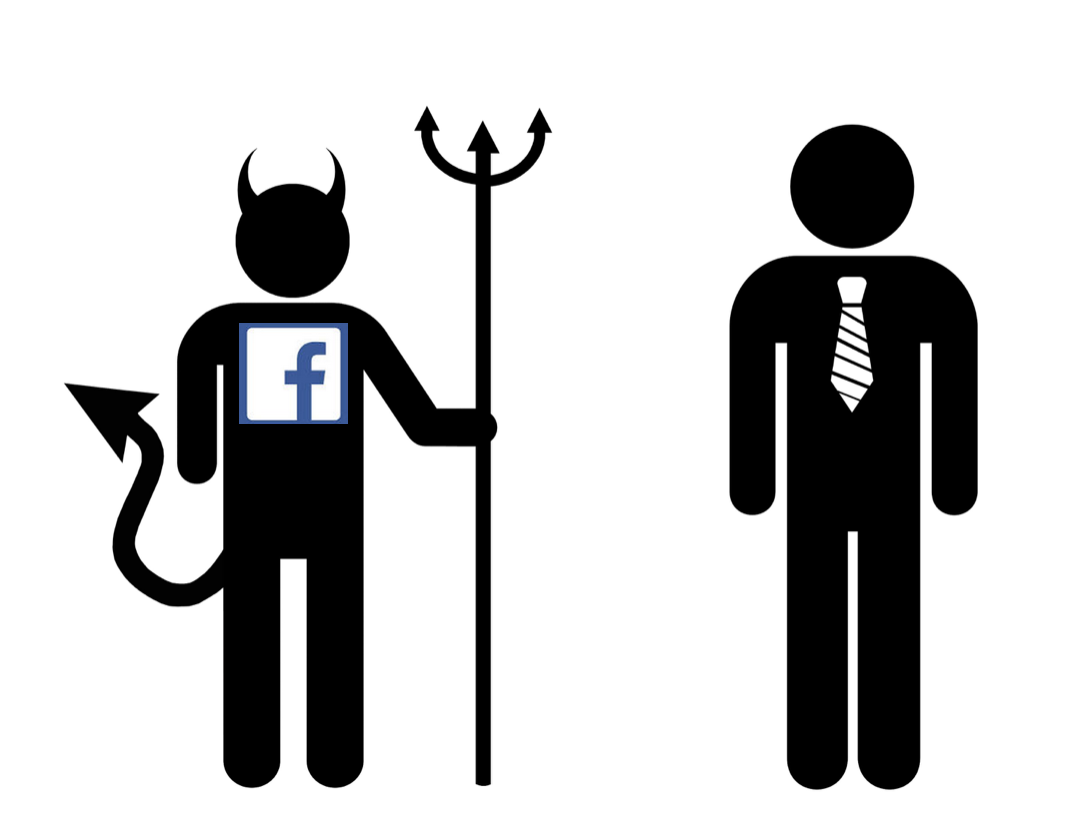
A deal with the devil. Versi�n en espa�ol It was the science fiction writer Arthur C. Clarke who wrote , "Any sufficiently advanced technology is indistinguishable from magic." And clearly many people think that way about applications for smartphones. Mobile apps can show us detailed maps of most places on earth. They can read QR codes that tell us when the next bus is coming to this stop. They alert us to the scores of sporting events we care about. They allow us to send text messages, free, to billions of people anywhere in the world ( WhatsApp and WeChat users alone account for nearly 2 billion). So we willingly give ourselves over to these services that do all these amazing things for us. Often we sign in to them using our Facebook or Google or Twitter accounts, thereby giving those social network platforms access to information about our preferences for products, who are friends are, where we are dining, and how we are amusing ourselves. Read more �

Reader loyalty gains strength as a news metric

Image
Michael McCutcheon of Mic.com As the publisher of a business newspaper in Baltimore, I used to tell advertisers confidently that no other news medium could duplicate our audience of CEOs, business owners, and high-income decision makers. First Yahoo Finance undermined us. With their user database, they could deliver advertisers the same people who were reading our newspaper, plus many with that profile who were not. (Versi�n en espa�ol) Now social networks like Facebook are using their data to do the same thing. They can promise to deliver that same targeted audience a lot cheaper. This is bad news for news publishers, especially since they have become more dependent on Facebook and other social networks for their Internet traffic. Publishers have a harder time establishing the value of their brand to advertisers. Pew Research reported in 2014 that 30 percent of U.S. adults get news from Facebook. That percentage has been growing, and other social networks, such as LinkedIn , are tr...