Posts

Showing posts with the label sustainability

Users will own the media: how journalism is evolving
Image
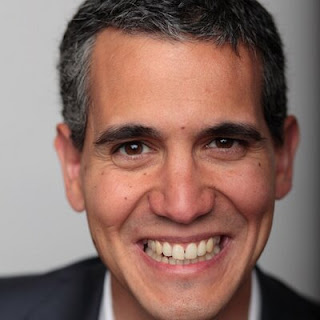
Alfredo Trivi�o has worked largely behind the scenes on some of the biggest digital media projects for some of the biggest brands in the world. But you might not have heard of him. Alfredo Trivi�o: users will own the media, in every sense He spent seven years in senior management roles at News Corp., ultimately as director of innovation, where he worked on development of a pay model for digital journalism and on long-term editorial and commercial growth strategies. (He is a 1999 graduate of the University of Navarra School of Communication, where I teach.) He was invited to give the closing keynote address last week to the annual conference of the Spanish Journalism Society (SEP, Sociedad Espa�ola de Period�stica). He ruminated casually about trends he sees in the worlds of digital journalism and digital commerce, mixing some English terminology into his Spanish presentation. Among the shifts he sees: A shift from journalism and commerce to journalism vs. commerce. That is, the...
When government fails, 'business has to step up'

Image
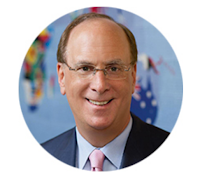
Businesses like to devote part of their marketing and public relations budget to promote how they are giving back to society . We are not just about profits, they try to say. And the message is arguably true, not just propaganda, as far as it goes. Fink, from BlackRock.com But we are starting to hear a different kind of message from business people, and it goes like this: "Around the world, frustration with years of stagnant wages, the effect of technology on jobs, and uncertainty about the future have fueled popular anger , nationalism , and xenophobia . In response, some of the world�s leading democracies have descended into wrenching political dysfunction, which has exacerbated, rather than quelled, this public frustration. Trust in multilateralism and official institutions is crumbling. " -- Larry Fink, (emphasis mine) Business people will have to fill the gap left by polarized and paralyzed national governments: this is the message of Larry Fink, CEO of BlackRock ...

100 digital news startups in Latin America show paths to achieving sustainability

Image
A new study of 100 digital news startups in Latin America by SembraMedia in partnership with Omidyar Network -- Inflection Point -- offers many clues to achieving the elusive goal of sustainability. Extensive interviews with the founders -- 25 each from Argentina, Brazil, Colombia, and Mexico -- produced data that clarified the elements of successful business models and showed the best places to invest resources and training. Janine Warner , co-founder of SembraMedia and an ICFJ Knight Fellow, directed the study, which was managed by her co-founder, Mijal Iastebner. (Disclosure: I participated in the study as an editor.) Among the insights: You don't need a lot of money to get started. 71% of the media in this study had startup capital of less than $10,000, but a tenth of those now generate at least $500,000 in revenues (p. 8). Those that focus on business development do best. Those with at least one sales person reported median annual revenues of $117,000; those with no sales ...

How digital media monetize their social capital

Image
From GDJ's Clipart, Openclipart.org Lately I have been reading a lot about a new way of valuing media that would benefit entrepreneurial journalism ventures, which nearly always lack capital to launch and sustain themselves. Sociologists and economists have been writing about it for years -- social capital -- and I am embarrassed to say that I have just started learning about it. Social capital is a value that media entrepreneurs possess through their ethnic, social, professional, and business networks . It is also a value that they create through their work's impact on society . Below I will show how three entrepreneurs are making it work, in France , Holland , and Spain . Versi�n en espa�ol Hard to value Investors, the public, and the media entrepreneurs themselves have tended to undervalue their work because it is hard to place a value on their social capital. By contrast, it is easy to value a publication through the advertising and subscription revenue it generates and t...

12 road maps for sustainable digital media worldwide

Image
Renaissance maps showed monsters, hazards to avoid. The future of journalism is increasingly digital, mobile, and in flux. It is unexplored territory. Like the explorers and navigators of the Renaissance, various organizations � governments, NGOs, journalism groups, and universities, among others � have been trying to map the most promising routes to sustainability in the new media ecosystem. It's not just about making money; it's about providing news and information crucial to a democratic society. Versi�n en espa�ol (At left, a map from Chet Van Duzer's book Sea Monsters on Medieval and Renaissance Maps . Click to enlarge.) As traditional news media organizations have lost revenues, laid off employees, and reduced coverage, new digital media have emerged as important players in providing public-service journalism, especially on the local level. Databases and promising routes Researchers from a variety of organizations have created databases of thousands of new...